
What are the challenges of using a quarry cutting machine in a high - altitude area?
Leave a message

Hey there! I'm a supplier of quarry cutting machines, and today I want to chat about the challenges of using these machines in high - altitude areas.
1. Atmospheric Conditions
First off, let's talk about the air up there. At high altitudes, the air is thinner. This means less oxygen is available. For quarry cutting machines that rely on internal combustion engines, this can be a real pain. The engines need oxygen to burn fuel properly. With less oxygen, the combustion process isn't as efficient. As a result, the machine might lose power. You know, it's like when you're running up a mountain and you start to feel out of breath. The engine is in a similar situation. It struggles to perform at its normal capacity.
Another issue related to the thin air is the cooling system. These machines generate a lot of heat during operation. The cooling system usually works by using air to dissipate that heat. But with thinner air, the cooling efficiency drops. This can lead to overheating, which is not good for the machine's components. If the engine or other parts get too hot, it can cause damage and reduce the lifespan of the machine.
2. Temperature Fluctuations
High - altitude areas often experience extreme temperature changes. During the day, it can get quite hot under the sun, and at night, the temperature can drop significantly. These rapid temperature changes can be tough on the quarry cutting machines.
The materials used in the machines expand and contract with temperature changes. For example, metal parts will expand when it's hot and contract when it's cold. Over time, these repeated expansions and contractions can cause stress on the machine's structure. Cracks might develop in the frames or other components. Seals and gaskets can also be affected. If they lose their seal due to temperature - related shrinkage or expansion, it can lead to leaks, whether it's oil, hydraulic fluid, or other substances.
3. Terrain and Accessibility
The terrain in high - altitude areas is usually rough and uneven. Quarry cutting machines are heavy and need a stable surface to operate on. Uneven ground can make it difficult to position the machine properly. If the machine isn't level, it can affect the cutting accuracy. For instance, if the blade isn't at the right angle because of the uneven ground, the cut might not be straight, and the quality of the stone being cut will be compromised.


Moreover, getting the machines to high - altitude quarries can be a logistical nightmare. The roads leading to these areas are often narrow, winding, and in poor condition. Transporting large and heavy quarry cutting machines requires special equipment and careful planning. There's also the risk of damage during transportation. A bumpy ride on a rough road can jolt the machine and cause internal parts to loosen or break.
4. Maintenance and Repairs
Maintenance is crucial for the proper functioning of quarry cutting machines. But in high - altitude areas, it becomes more challenging. The thin air and extreme temperatures can accelerate wear and tear on the machine's parts. For example, the filters in the engine can get clogged more quickly because of the dust and debris in the high - altitude environment.
When it comes to repairs, finding replacement parts can be difficult. High - altitude quarries are often remote, and it can take a long time to get the necessary parts delivered. This means that if a machine breaks down, it might be out of commission for an extended period, which can disrupt the quarrying operations.
5. Operator Comfort and Safety
Working at high altitudes can be tough on the operators. The thin air can cause altitude sickness, which includes symptoms like headaches, dizziness, and shortness of breath. These symptoms can affect the operator's concentration and performance. If an operator isn't feeling well, they might make mistakes while operating the quarry cutting machine, which can lead to accidents.
Safety is also a major concern. The rough terrain and extreme weather conditions increase the risk of accidents. For example, if the ground is slippery due to snow or ice, the machine might skid, and there's a danger of it tipping over.
Our Solutions
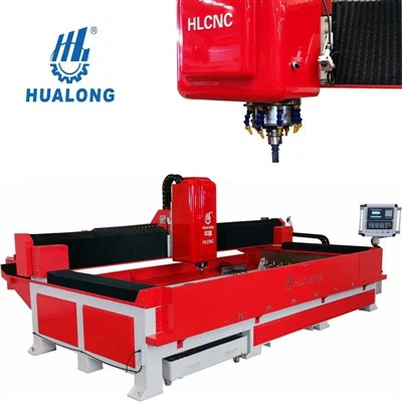
As a quarry cutting machine supplier, we understand these challenges. We've been working on developing machines that are more suitable for high - altitude areas. Our Quarry Stone Cutting Machine is designed with features to handle the thin air. We've optimized the engine to work more efficiently with less oxygen, and the cooling system is enhanced to deal with the reduced cooling capacity of the thin air.
Our Granite Quarry Machine is built to withstand the temperature fluctuations in high - altitude areas. The materials used are more resistant to expansion and contraction, reducing the risk of structural damage. And our Granite Quarry Cutting Machine has a more stable base and advanced leveling systems to ensure accurate cutting even on uneven terrain.
If you're in the market for a quarry cutting machine for your high - altitude quarry, we'd love to have a chat with you. We can discuss your specific needs and how our machines can help you overcome the challenges of operating in high - altitude areas. Don't hesitate to reach out and start a conversation about procurement. We're here to provide you with the best solutions for your quarrying operations.
References
- "Engineering in High - Altitude Environments" - A research paper on the challenges faced by machinery in high - altitude areas.
- "Quarrying Technology and Equipment" - A book that discusses the operation and maintenance of quarry cutting machines.