

What Is Stone Processing Machine
This machine is used for smooth cutting of marble stones in accurate shapes and sizes. The cutting process is operated by a tough wheel. The machine consumes less power and has fast cutting speed.
Advantages of Stone Processing Machine
Efficiency and Production Speed: Stoneworking machines and equipment increase production speed by providing automatic and mechanized processes instead of manual labor. These machines perform operations such as cutting, shaping, surface treatment of stones faster and more precisely. Thus, businesses can process more stones and speed up their production processes.
Quality Control: Stone working machines are specially designed to produce more precise and repeatable results. These machines enable stones to be cut, shaped and surface treated to accurate measurements. Thus, the quality and compatibility of the products increase and customer satisfaction is ensured.
Reduction in Labor Costs: With the use of machinery, labor costs are reduced. Compared to manual processes, stone working machines require less labor and less time is spent. This reduces the labor costs of businesses and enables them to become more competitive.
Safety and Occupational Health: Stoneworking machines have measures that increase the safety of workers. Machines reduce accidents and injuries that can occur by hand cutting or processing stones. At the same time, it protects the health of workers by minimizing negative effects such as dust and noise.
Diversity and Flexibility: Stone working machines and equipment offer a variety of processing methods for different stone types and processing requirements. These machines can perform operations such as cutting, surface treatment, drilling, polishing in different shapes and sizes. Thus, businesses can produce a variety of products in line with customer demands and market trends.
Competitiveness and Market Opportunities: Stone processing machinery and equipment provide a competitive advantage to businesses. With efficient production processes, quality products and lower costs, businesses can be competitive and seize market opportunities. At the same time, the ability to respond quickly to demands and customer expectations provides a competitive advantage.


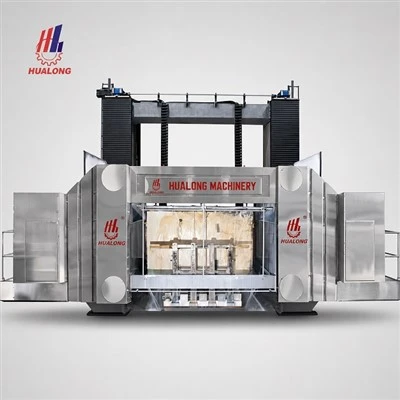

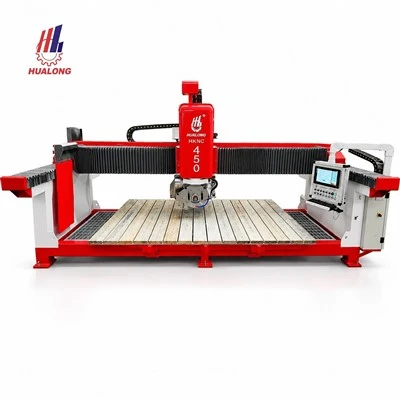


types of CNC machining
Increased Productivity: Stone processing machine companies use advanced technology and equipment for processing different types of stones. This results in increased productivity and faster processing times.
Improved Quality Of Finished Products: Stone processing machines are designed to produce high-quality finished products with precision and accuracy.
Cost Savings: Stone processing machine companies can help companies save on labor costs and reduce errors and waste. This can lead to significant cost savings over time.
Customization: Stone processing machine companies can customize machines based on the specific needs of a company. This can help improve efficiency and productivity.
Improved Safety: Stone processing machine companies prioritize safety and provide training to their employees to ensure safe operation of the machines. This can help reduce the risk of workplace accidents.
Increased Competitiveness: By using advanced technology and equipment, companies can produce high-quality finished products at a faster pace. This can help them stay competitive in the market and attract more customers.
Customer Support: Stone processing machine companies offer customer support services, including maintenance and repairs to ensure the machines are functioning optimally. This can help minimize downtime and ensure continued productivity.
What are Features of Stone Processing Machine
This machine is manufactured by using high quality cast iron, mild steel and aluminum
Machine is well known for easy operation, high operational fluency and longer working life
Easy to install and maintenance free, this machine is highly demanded in the market
This machine is used for smooth cutting of marble stones in accurate shapes and sizes
The cutting process is operated by a tough wheel
The machine consumes less power and has fast cutting speed

Growth Factors for the Stone Processing Machinery Market
Application of Stone Processing Machinery Available:
- Natural Stone
- Artificial Stone
Types of Stone Processing Machinery Available:
- CNC Machining Center
- Cutting Machine
- Polishing Machine
- Others

Applications of Stone Processing Machine
Construction Industry
Stone processing machines are used to cut, shape and polish stones which are used in various construction projects such as buildings, bridges, and monuments.
Architectural Design
Stone processing machines are used for creating elaborate architectural designs including sculptures, columnar structures, and decorative building facades.
Interior Design
Stone processing machines are used to create custom-made interior design elements such as stairs, countertops, and tiles.
Monument Industry
Stone processing machines are heavily used in the monument industry to create gravestones, memorials, and monuments.
Artistic Works
Stone processing machines are used for creating intricate artistic works such as ornate bowls, vases, and figurines.
Landscaping
Stone processing machines are used to create various landscaping elements such as fountains, bridges, and stone benches.
Restoration of Historic Buildings
Stone processing machines are used for the restoration of historic buildings by recreating period-specific stones and architectural elements.
Jewelry Making
Stone processing machines are used for precision cutting of precious and semi-precious stones that are used in the production of high-end jewelry.
Maintenance Tips for Stone Processing Machinery
Regular maintenance and repair of stone processing machinery and equipment not only increases their productivity but also extends their life. Here are some important steps for the maintenance and repair of stone processing machinery and equipment
Cleanliness
Keeping machinery and equipment clean is important to ensure their efficient operation. After processing, residues such as stone dust, residues and oil deposits must be cleaned. This ensures that the machine runs smoothly and wear is reduced.


Lubrication
Regular lubrication of moving parts used in machinery and equipment reduces friction and prevents wear of parts. Proper lubrication procedures should be followed according to the manufacturer's instructions.
Controls
Working systems, engines, electrical connections and other components of machinery and equipment should be checked periodically. These checks enable early detection of potential problems and help prevent major malfunctions.


Spare Parts Replacement
It is important to regularly replace parts that wear out or deteriorate over time in machinery and equipment. The original and compatible spare parts ensure the correct operation of the machine. It is recommended that spare parts be provided by the manufacturer or authorized service.
Getting Support from Authorized Services
It is important to get support from authorized services for more complex maintenance and repairs of machinery and equipment. Authorized services have experienced technicians and have machine-specific knowledge and skills. By creating periodic maintenance plans, regular servicing of machinery and equipment can be ensured.


Personnel Training
Training of personnel using machinery and equipment is important. Teaching the correct usage techniques, explaining the safety precautions and sharing the maintenance procedures enables the machines and equipment to be used more efficiently and safely.
Factors To Consider When Choosing A Stone Processing Machinery
COST
The cost is one of the critical things to take into account when opting for a stone processing machine. It would be best to evaluate your financial opportunities and the operating volume to figure out how much funds you can expect to spend to buy stone processing machine. Remember that cheap stone processing machine doesn’t always provide high operational performance and efficiency.
FEATURES
If you decide to buy stone processing machine online, pay attention to the fundamental features and functions of the machine. Some features of the expensive appliances won’t work in your construction project, and vice versa; you might find cheap stone processing machines lacking in crucial functions. Therefore, it will never hurt to glance at the stone processing machine’s performance, fuel-burning rate, size, weight, capacity, and other signs.
TYPE OF STONE MATERIAL
Another significant factor to consider when purchasing a good stone processing machine is the type of rock you are going to process. Ensure the stone processing machine’s hammers are powerful enough to cope with concrete, asphalt, sandstone, basalt, granite, or whatever material or aggregate you need to crush. Constructors might find some hammers in a mobile stone processing machine not sufficiently strong to process multiple stone materials, while others can cope only with concrete or marble.
MOBILITY
Mobile stone processing machine is exceptionally efficient in the mining industry or extended construction projects, where large-scale operations are standard. Unlike bulky and heavy stone processing machines, portable stone processing machines allow operators to navigate and maneuver over various harsh surfaces effortlessly. For this feature, you won’t go wrong with evaluating the type of the environment, as well as the skills of your operator.
QUALITY
Last but not least, choosing the best small stone processing machine is up to its quality. The high quality of the stone processing machine is the first pledge of its longer serviceability, efficiency, and capacity. Cost-effectiveness is also a feature of the qualitative stone processing machine, even though you might find an initial purchase expensive.
Certificate
ISO9001:2015, ISO14001:2105, Hi-tech Enterprise, 87 Patents


our factory
Hualong company has a dynamic and experienced design and development team and production team, which can customize the design and production of products according to the needs of customers. Hualong's products are well received by customers at home and abroad and have formed a certain reputation, and have won many domestic and foreign awards and honors.


FAQ
Q: What is a stone CNC machine?
Q: What is a stone cutting machine?
Q: Can a CNC machine cut stone?
Q: What is a stone cutter called?
Q: What tools is best for cutting stone?
Q: Are CNC machines legal?
Q: Can a CNC machine engrave stone?
Q: How do Stonemasons cut stone?
Q: How did they cut stone in medieval times?
Q: Is it better to cut stone wet or dry?
Q: What is the easiest stone to cut?
Q: Is stone cutting hard?
Q: How do you cut stone easily?
Q: Why do you need water when cutting stone?
Q: What is the easiest stone to engrave?
Q: Is stone cutting hard?
Q: Can a CNC machine cut stone?
Q: What is tool zero in CNC?
Q: How accurate is CNC machining?
Q: Are CNC machines safer?
Q: What is Laterite Cutting Machine?
Q: What is stone cutting machine for curbstone?
Q: Can You Cut Granite With a water jet cutting machine for marble?
A water jet can cut stone up to 12 inches, which is suitable for most stone-cutting applications. Most granite cutting jobs involve a thickness of just a few inches.
Q: How many types of rock crusher stone crushing machines are there?
The number of crusher types in terms of style and configuration can be more challenging to quantify, as there are lots of ways to customize rock crushers. However, you’ll find four basic designs—cone, jaw, gyratory, and impact crushers—operating within many crushing plants.
Jaw Crushers
In compression crushing, jaw crushers tend to be more of a blunt instrument compared to cone crushers, which is why they’re often used in the primary rock crushing circuit stage.
Jaw crushers are also known as “rock breakers” and are used to break up larger, harder materials into more manageable pieces. They tend to do well with many different types of materials and don’t display as much wear and tear as impact-style rock crushers. They also produce minimal fine materials and dust, though the finished product with this type of rock crusher almost always requires secondary crushing.
Gyratory Crushers
Gyratory crushers feature a conical head and concave surface (often lined with manganese steel) and break apart material by compression through what is known as eccentric movement.
Like jaw crushers, gyratory crushers are often utilized in primary crushing stations, though they may sometimes be used as secondary crushers, as well.
Cone Crushers
Similar to jaw and gyratory crushers, cone crushers work by compression, which means they reduce materials by squeezing them until they break apart.
Cone crushers are built with a rotating mantle in a concave bowl lined with manganese—this is similar to gyratory crushers, but the crushing chamber in cone crushers is not as steeply angled.
Cone crushers can accept medium-hard to very hard and abrasive feeds that might be dry or wet, though not sticky (whereas gyratory crushers are better at handling softer, dryer feeds). Their output will be a relatively cubical product, with a reduction ratio of about 6-to-1 through 4-to-1.
Impact Crushers – VSIs and HSIs
Impact-style crushers include VSIs, as well as horizontal shaft impactors (HSIs), and are best used with less abrasive rock types, like limestone. These types of machines break apart material by the impacting forces of certain wear parts known as blow bars and impact plates or toggles.
Some operations also use impact-style crushers after they have already used a different type of rock crusher that produces a more elongated stone. This helps further shape the crushed material into a finer consistency with a more cubical nature.
Impact crushers tend to be less expensive than compression crushers (aka cone and jaw crushers, which we already covered) and have a higher reduction ratio. They can also break sedimentary deposit-type rocks—limestone and similar—along natural lines, which rounds off sharp angles and weak edges. This can produce a result that is more sand-like in nature.
Drawbacks of impact crushers include their tendency to produce an excess of fine materials if used with softer rocks. Impact rock crushers can also require frequent part changes and can create a large amount of dust that can be an issue on some worksites.
We are one of the most professional stone processing machine manufacturers and suppliers in China, also support customized service. We warmly welcome you to buy durable stone processing machine made in China here from our factory.