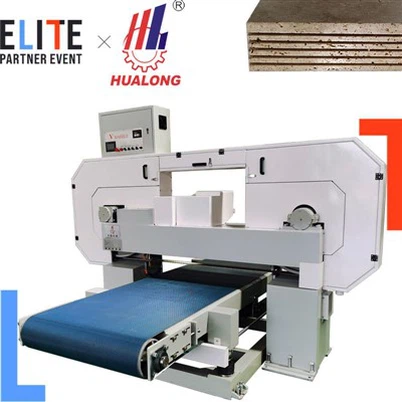

What is the control system of a 5 Axis Cnc Bridge Saw?
Leave a message

Hey there! As a supplier of 5 Axis CNC Bridge Saws, I'm super stoked to dive into the nitty - gritty of what makes up the control system of these amazing machines. So, let's get right into it!
What Exactly is a 5 Axis CNC Bridge Saw?
First off, a 5 Axis CNC Bridge Saw is a high - tech piece of equipment used in the stone processing industry. It can move in five different axes, which gives it a whole lot of flexibility. This means it can cut stones in all sorts of complex shapes and angles, making it perfect for creating custom countertops, sculptures, and other high - end stone products.
The Core of the Machine: The Control System
The control system of a 5 Axis CNC Bridge Saw is like the brain of the machine. It's what tells the saw where to go, how fast to move, and at what angle to cut. There are a few key components that make up this control system.
1. CNC Controller
The CNC (Computer Numerical Control) controller is the heart of the control system. It's a specialized computer that takes in instructions from a CAD (Computer - Aided Design) file. You can think of it as a translator. It takes the digital design that the designer has created on the computer and turns it into a set of instructions that the saw can understand.
These controllers are usually very powerful and can handle complex calculations in real - time. They're also quite user - friendly, with intuitive interfaces that allow operators to easily input and adjust settings. Some of the advanced controllers even have built - in diagnostic tools that can detect and troubleshoot problems before they become major issues.
2. Servo Motors
Servo motors are another crucial part of the control system. These motors are responsible for moving the saw along the different axes. They're highly precise and can be controlled with great accuracy. When the CNC controller sends a signal, the servo motors respond by moving the saw to the exact position and at the right speed.
The advantage of servo motors is that they can provide a high level of torque, which is important for cutting through hard materials like granite and marble. They also have a fast response time, which means the saw can quickly adjust its position as needed during the cutting process.
3. Feedback Sensors
Feedback sensors play a vital role in ensuring the accuracy of the cutting process. These sensors constantly monitor the position and movement of the saw. They send information back to the CNC controller, which can then make adjustments if necessary.
For example, if the saw starts to deviate from its intended path, the feedback sensors will detect this and send a signal to the controller. The controller can then adjust the servo motors to correct the position of the saw. This helps to ensure that the final product is cut to the exact specifications of the design.
Benefits of a Good Control System
A well - designed control system offers a whole bunch of benefits.
Precision
One of the biggest advantages is precision. With a high - quality control system, the 5 Axis CNC Bridge Saw can cut stones with incredible accuracy. This is essential for creating custom - made products that meet the exact requirements of the customer. Whether it's a perfectly curved countertop or a detailed sculpture, the control system ensures that every cut is made with precision.
Efficiency
Efficiency is another key benefit. The control system allows the saw to operate at optimal speeds, reducing the time it takes to complete a job. It also minimizes waste by ensuring that the stone is cut as accurately as possible, which is not only good for the environment but also for the bottom line.


Flexibility
The control system gives the saw a high degree of flexibility. It can easily switch between different cutting patterns and angles, allowing for a wide range of design possibilities. This makes the 5 Axis CNC Bridge Saw suitable for a variety of applications, from small - scale custom projects to large - scale industrial production.
Our Products and the Control System
At our company, we take pride in offering top - notch 5 Axis CNC Bridge Saws with state - of the - art control systems. Our 2025Hualong Machinery 5 Aixs Cnc Stone Cutting Machine is a prime example. It comes with a highly advanced CNC controller that can handle even the most complex designs. The servo motors are of the highest quality, providing smooth and precise movement along all five axes. And the feedback sensors ensure that every cut is accurate to within a fraction of a millimeter.
We also have the 5 Axis Cnc Stone model, which is designed for high - volume production. It has a robust control system that can handle continuous operation without compromising on quality.
If you're in the market for a machine to create granite countertops, our Granite Countertop Cnc Machine is a great choice. Its control system is optimized for cutting granite, ensuring a perfect finish every time.
Why Choose Our 5 Axis CNC Bridge Saws?
There are a few reasons why our machines stand out. First of all, our control systems are developed and tested to the highest standards. We use the latest technology to ensure that our machines are reliable, efficient, and easy to use.
Secondly, we offer excellent customer support. Our team of experts is always on hand to help you with any questions or issues you may have. Whether it's setting up the machine, troubleshooting a problem, or providing training, we've got you covered.
Contact Us for a Purchase
If you're interested in purchasing a 5 Axis CNC Bridge Saw, we'd love to hear from you. Our machines are designed to meet the needs of both small - scale workshops and large - scale industrial operations. Whether you're a stone fabricator, a sculptor, or a countertop manufacturer, our 5 Axis CNC Bridge Saws can help you take your business to the next level.
So, don't hesitate to reach out to us. We're here to help you find the perfect machine for your needs and provide you with the support you need to get the most out of it.
References
- Stone Processing Machinery Handbook
- CNC Technology in the Stone Industry Journal